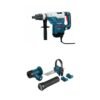
Description
Highlights of the Bosch 11265EVS Combination Hammer
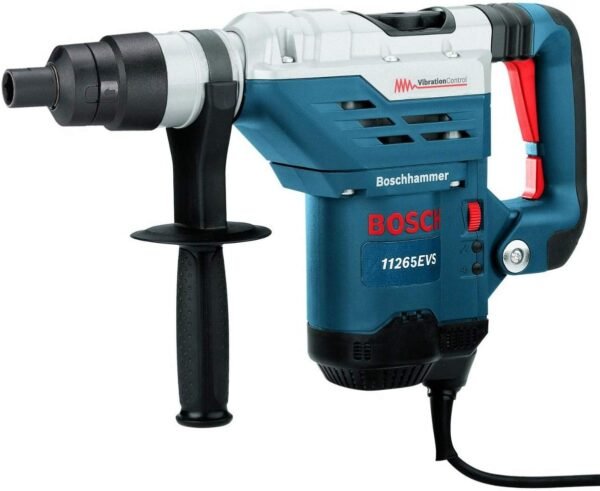
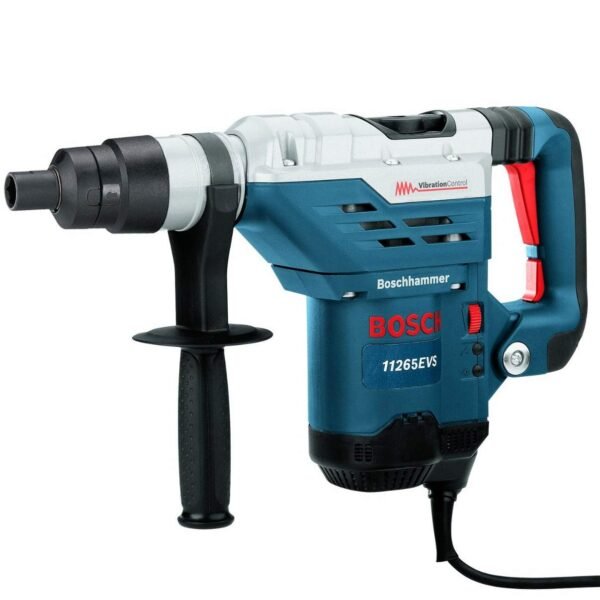
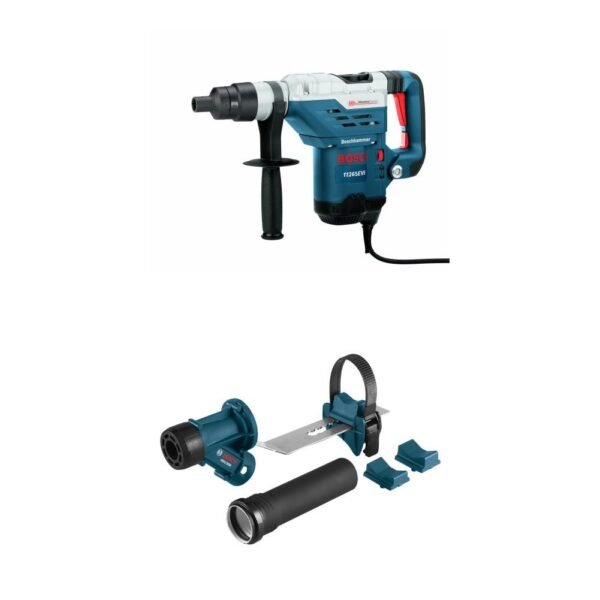
The Bosch 11265EVS 1-5/8 Spline Combination Hammer makes its case on power-to-weight ratio above everything else. The tool pairs a 13-amp motor generating 8.1 ft-lbs of impact energy with a listed weight of just 14.3 pounds. That balance between output and portability is what separates it from bulkier rotary hammers in the same duty class. The turbo power feature is no gimmick either; Bosch rates it at about 20% more power in hammer-only mode, which is where concrete and masonry work gets noticeably quicker.
The active vibration control system is the other feature owners single out. Extended drilling is hard on hands and arms, and this combination hammer applies vibration reduction in both the hammer mechanism and the grip area to keep that discomfort in check. Over prolonged sessions that translates into better control before fatigue sets in. This makes it ideal for professionals and DIYers who face long hours on-site or tackling hefty home projects.
Disadvantages That Deserve Attention
While the hammer excels in many areas, a few drawbacks are clear from the specification. The first one is its weight. It is lighter than some competitors, but the listing also describes it as weighing over 15 pounds, and that conflicts with the 14.3 pounds quoted elsewhere on the same page, so confirm the figure before ordering. Either way it is a challenge during overhead work or when precision handling is required, and it might not suit users who need a lightweight tool for delicate tasks.
Another downside is the limited chuck size of 13 millimeters, which restricts the range of drill bits you can use. That number also sits oddly against a 1-5/8 inch spline hammer, so it looks like a rotary-chuck spec rather than the spline capacity and is worth checking. Swapping between bit sizes for wood and masonry is the main place it bites. Additionally, the corded electric design means you’re tied to an outlet, making mobility less convenient compared to cordless options, especially on large job sites without easy access to power. Anyone who needs bigger bits in the same family tends to move up to the Bosch RH1255VC 2 inch SDS MAX rotary hammer.
Versatile Features and Settings
The tool’s constant response circuitry holds a consistent speed even under heavy load, which is crucial when drilling into dense materials like reinforced concrete. It also has an auto-max speed dial that automatically sets the maximum speed each time the tool is switched on. That is a surprisingly handy feature, saving time fiddling with settings and keeping performance where it should be without any thought.
The combination drill style allows switching between rotary hammer and hammer-only modes, which is the source of its versatility. It covers drilling holes and light chiseling tasks from the same body. The 360-degree auxiliary side handle adds stability and control, especially when working at awkward angles or tight spaces.
Usability and Comfort in Real-World Use
Operating this combination hammer is straightforward. The grip is ergonomic, and the vibration control is what keeps hand strain down over a shift. Owner reviews consistently compliment its balance and power, though several point out that the tool’s plastic and metal construction could use a bit more ruggedness for harsher environments. For lighter fixing work in the same Bosch family, the RH328VC rotary hammer carries the same vibration control in a smaller body.
Brick wall demolition on renovation work is a typical use case, and the tool is rated well for it, with the carrying case making transport hassle-free. However, the power cord length means extension cords are usually part of the setup, which could be inconvenient depending on workspace layout.
Product Competitors Offering Different Strengths
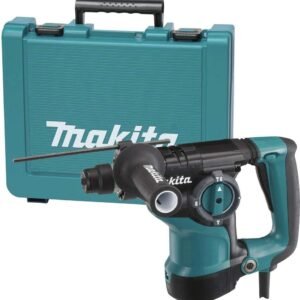
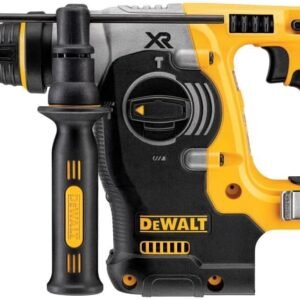
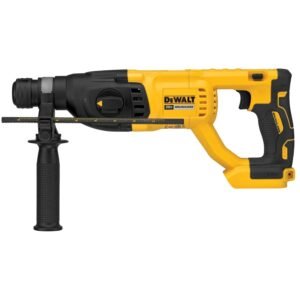
Comparing this combination hammer with other popular models, like the Makita HR2475 or DeWalt DCH273, reveals both strengths and weaknesses. The Bosch model stands out with its superior impact energy and vibration control, making it better for heavy-duty hammering tasks. On the downside, the competitors often feature larger chuck sizes and cordless options, adding more flexibility. Bosch’s own 11264EVS rotary hammer is the closest in-house comparison on comfort and output.
Makita’s model offers a slightly lighter frame and better battery life for cordless users, while DeWalt provides robust build quality and a longer warranty. Still, the Bosch’s turbo power and constant response circuitry give it an edge in maintaining consistent drilling speed and power. If maximum impact energy and vibration comfort are priorities, this hammer is a strong contender.
Value Proposition: Is It Worth It?
Considering the tool’s power, durability, and ergonomic design, the value proposition holds up well. Its features go beyond what entry-level rotary hammers offer, and the active vibration reduction alone justifies the investment for anyone spending hours drilling or chiseling daily. Although the corded nature limits some mobility, the trade-off is a reliable, uninterrupted power source that cordless alternatives can’t always match.
In terms of price-performance, this combination hammer lands as a solid middle-ground option: not the cheapest, but not overly expensive either. For professionals needing consistent performance and durability, it’s a worthwhile addition to their toolkit, and it compares favourably with the other rotary hammers in this category. DIYers with occasional heavy-duty needs will also appreciate its power and ease of use.
Pluses That Made a Difference
- Power-to-weight ratio is a standout in its class, delivering strong impact energy without excessive bulk.
- Active vibration control significantly reduces hand and arm fatigue during long use.
- The turbo power mode boosts hammer-only performance by 20%, making tough jobs easier.
- Auto-max speed dial ensures the tool always runs at optimal speed without manual adjustment.
- Comes with a 360-degree auxiliary side handle and carrying case for convenience and control.
Caveats You Should Know
- The weight of over 15 pounds might be cumbersome for extended overhead or precision work.
- Limited 13mm chuck size restricts drill bit options and versatility.
- Being a corded electric tool, it lacks the freedom and convenience of cordless rotary hammers.
- The plastic components could feel less durable under extreme job site conditions.
- Power cord length may require additional extension cords, impacting mobility in larger spaces.
Set side by side with other rotary hammers, this Bosch combination hammer shows clear strengths along with the areas where it doesn’t quite match up; pure breaking work belongs to a dedicated unit such as the Bosch 11316EVS SDS Max demolition hammer. Its power, vibration control, and versatile settings make it a reliable tool for serious drilling and demolition tasks, especially for users prioritizing performance over portability.