Description
Highlights of Power and Impact
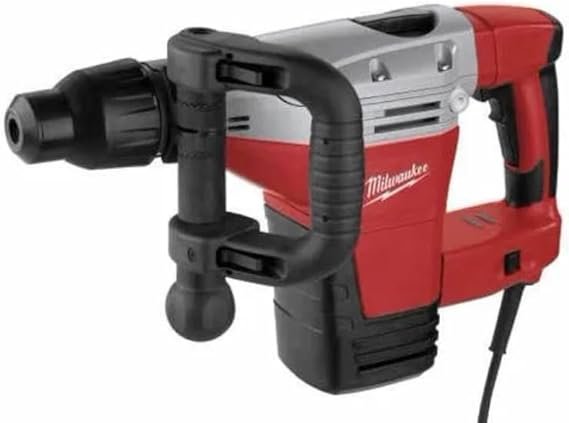
The Milwaukee 5446-21 SDS-Max Demolition Hammer is specified around one thing: power output. The 14 amp motor packs a punch, delivering 8.8 foot-pounds of impact energy, which is no joke when breaking through concrete or masonry. The heavy-duty crank piston mechanism is the part that shines during tough demolition tasks, pulverizing dense materials that would slow down lesser tools. The constant power technology deserves equal billing, since it holds the hammer at a steady speed and power level even under heavy load, meaning it doesn’t bog down when resistance increases. That one feature makes a noticeable difference to both efficiency and operator fatigue.
The two-speed impact mode offers flexibility, switching between 2,200 and 2,840 blows per minute. Lower speed is ideal for lighter materials or precision work, while the higher setting delivers full demolition force. That versatility is a strong point, though in practice most general demolition ends up running at the higher speed because it clears material faster. The tool’s D-handle design provides a secure grip, which is crucial on a tool that weighs nearly 16 pounds. The anti-vibration system (AVS) actively reduces vibration reaching the hands, which is what allows longer runs without excessive fatigue or numbness. Milwaukee applies the same thinking to its cordless line, and the M18 rotary hammer with advanced vibration control is the lighter expression of it.
Good Aspects of Design and Handling
The overall design caters well to heavy demolition work while keeping operator comfort in mind. The 12-position variable chisel stop is the most practical feature on the sheet. It allows the chisel to be locked at different angles, making it easier to attack concrete surfaces from various directions without awkward wrist movements. This is a real advantage in tight spaces or on angled surfaces where precision matters.
The tool’s metal construction and solid build quality also stand out, and buyer feedback consistently reads as confidence in its durability. From casual users to professionals, this demolition hammer is built to withstand rough environments. The corded electric power source ensures consistent energy without worrying about battery life, which is a plus for all-day projects. However, the cord can feel cumbersome compared to cordless models, especially in confined work areas.
Downsides to Consider
Despite its strengths, the demolition hammer has a few shortcomings that are hard to ignore. The tool’s weight at 15.9 pounds makes it one of the heavier options in its class. Extended use without breaks becomes tiring, especially for those not accustomed to heavy-duty power tools. The anti-vibration system helps, but it doesn’t completely eliminate strain on the arms and shoulders.
Another issue is the noise level. This tool is loud, loud enough to matter on job sites requiring hearing protection or in residential areas. Additionally, the absence of a carrying case or storage solution is a disappointment. Transporting and storing the hammer without a dedicated case is awkward, especially since the SDS-Max bits are not included and require a separate purchase.
Value Proposition and Price Consideration
Regarding value for money, this demolition hammer falls into a mid-to-high price range, reflecting its advanced features and robust performance. Although it is not the cheapest SDS-Max demolition hammer available, the powerful motor, variable speed settings, and AVS technology justify the expense for professionals or serious DIYers. Those who only need a tool for occasional light demolition might find better cost-effectiveness elsewhere, but for heavy-duty concrete breaking and chiseling, this unit delivers solid bang for the buck.
Similar tools with lower amperage motors or fewer impact options exist, but they often lack the consistent power delivery that this machine provides. If budget is a concern, alternatives with fewer bells and whistles can make sense, though performance usually suffers; the closely related Milwaukee 5546-21 SDS Max rotary hammer is the natural comparison for anyone who wants drilling as well as breaking.
Product Competitors and Market Rivals
Comparing this unit to popular competitors like the Bosch RH1250VC or the Makita HM1213C, each has its unique strengths. The Bosch model offers quieter operation and slightly better vibration control, making it friendlier for extended use. The Makita, on the other hand, boasts excellent ergonomics and a slightly lighter frame, which reduces fatigue but at the cost of some impact energy.
The Milwaukee demolition hammer stands out in impact energy and power consistency, which makes it a go-to for demanding demolition jobs. However, its weight and noise level are areas where competitors might appeal more to users prioritizing comfort over raw power. The anti-vibration system here is effective but not industry-leading, so if vibration reduction is your top priority, it is worth reading across the other rotary hammers in this category before deciding.
Features That Make a Difference
Feature by feature, the sheet holds up. The two-speed impact mode works through a simple switch, toggling between softer blows for delicate tasks and full power for heavy demolition. The D-handle grip is comfortable and stable, especially when paired with the side handle that provides additional control during aggressive chiseling.
The 12-position chisel rotation is a clever addition that few rivals in this class match. It allows the chisel angle to be adjusted without stopping work, a small but meaningful time saver. The overload protection is also worth mentioning; it guards against overheating during prolonged use, which supports both durability and safety.
Limitations and Areas for Improvement
Despite the positives, the weight and noise remain significant hurdles. The hammer isn’t ideal for users who need a lightweight and quieter tool for frequent use. The corded design can be restrictive on job sites without easy access to power outlets, which limits mobility compared to battery-powered options such as the Milwaukee 2712-20 brushless cordless rotary hammer.
Additionally, the lack of included accessories like chisels or a carrying case detracts from the overall package. Having to purchase bits separately adds to the initial investment and inconvenience. The tool also feels bulky for intricate or fine chiseling work, where a smaller SDS Plus machine like the M18 FUEL SDS Plus rotary hammer is the better fit.
Pluses That Stand Out
- Robust 14 amp motor with 8.8 ft-lbs impact energy delivers serious demolition power
- Two-speed impact mode offers adaptability for different materials
- Anti-vibration system reduces user fatigue during prolonged use
This demolition hammer is a beast in power and durability, making it an excellent choice for heavy concrete demolition. Design features like multiple chisel positions and overload protection add user-friendly touches that improve the day-to-day experience. While it will not suit everyone, especially those prioritizing portability or noise level, it definitely holds its ground among professional-grade demolition tools.