Description
Highlights of the Milwaukee 2804-20 Hammer Drill’s Performance
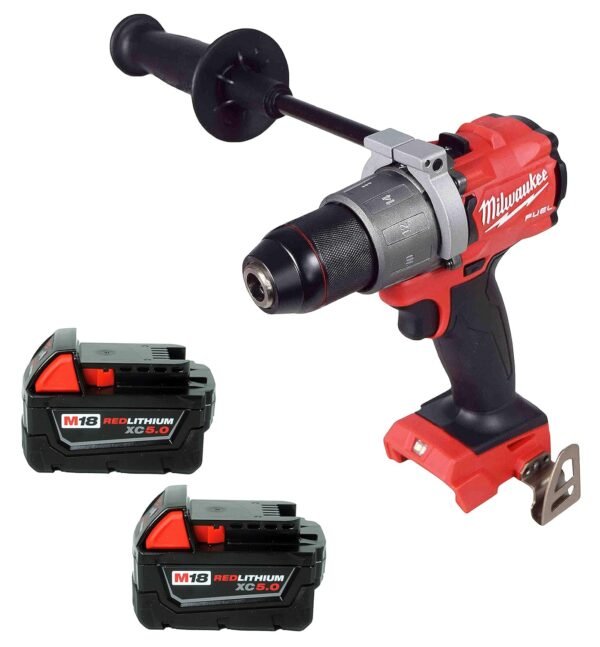
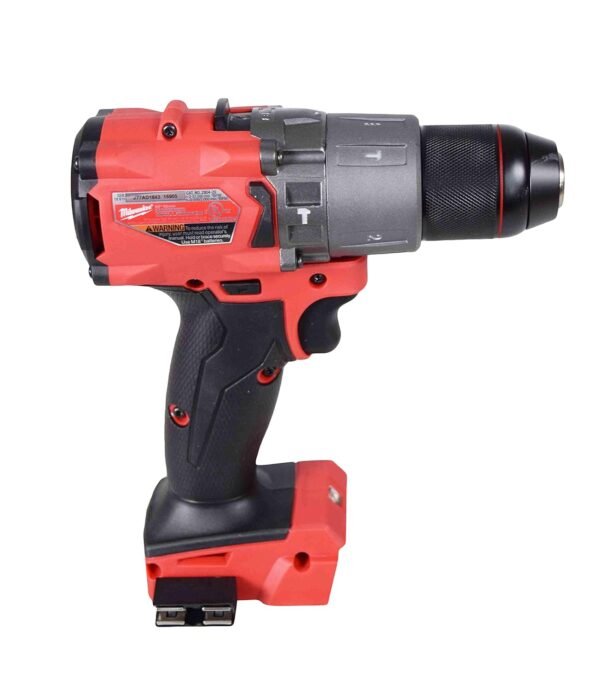
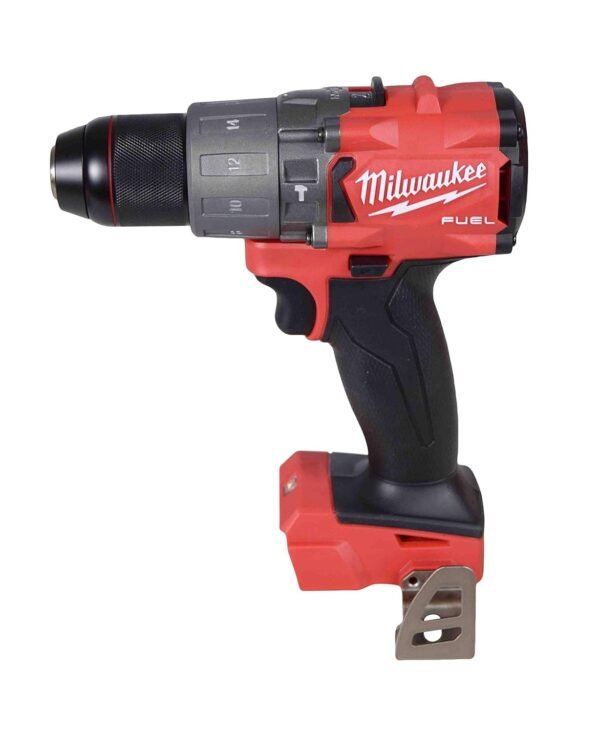
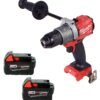
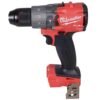
The Milwaukee 2804-20 18V 1/2″ Hammer Drill is rated aggressively for its size, with a POWERSTATE brushless motor quoted at 1,200 in-lbs of torque and speeds reaching up to 2,000 RPM. Those are figures aimed squarely at concrete and heavy timber rather than light assembly work, and they sit at the top of the compact 18V bracket. The compact size of 6.9 inches is the other half of the story, since it is what allows access inside cabinets and tight corners that longer hammer drills cannot reach. The combination of that torque rating with that head length is the reason this model keeps turning up on shortlists for confined-space work.
Value Proposition: Is It Worth the Investment?
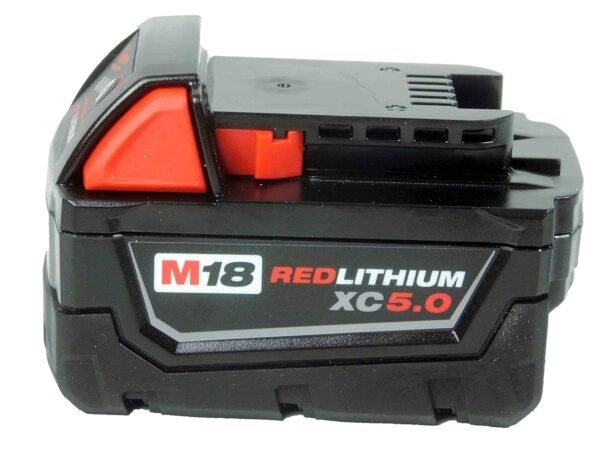
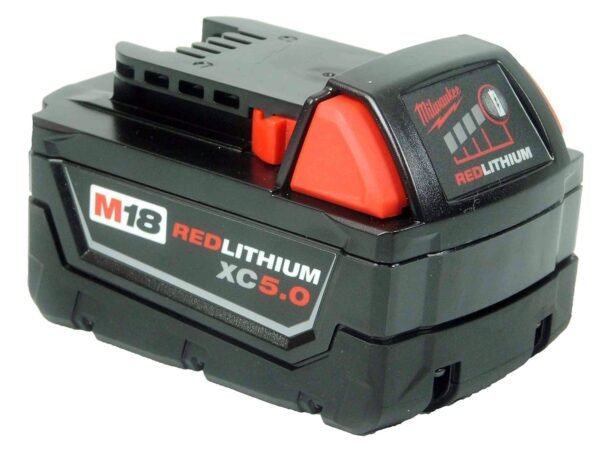
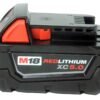
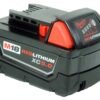
Milwaukee rates the 5.0 Ah M18 REDLITHIUM XC battery at up to 2.5 times more runtime and twice the recharges of standard lithium-ion packs, which translates to fewer charging stops across a working day. The same pack is specified to hold output in cold weather rather than fading as temperatures drop. Note one inconsistency in the listing data before you buy: the battery specifications above are quoted for this product, yet the configuration is also described as bare-tool, so confirm with the seller whether a pack and charger are actually included in the box you are ordering. Taking the drill on its rated durability and efficiency, the price is defensible for buyers who value the battery platform’s longevity and fade-free output under sustained load.
Good Aspects That Stand Out
- Compact design significantly reduces user fatigue during prolonged use.
- The LED light on the tool’s foot illuminates dark workspaces effectively, which is a simple but genuinely useful feature.
- All-weather performance is specified for damp and cold conditions rather than shop use alone.
- The durable construction is built for tough jobsite environments without compromising functionality.
Areas for Improvement
- The drill is on the heavier side at 3.36 pounds, which might tire out some users during extended use.
- Although the battery capacity is high, the pack takes longer to charge than some competitors.
- The price point could be a barrier for casual DIYers who do not need such a heavy-duty drill.
- The bare-tool configuration means buying the battery and charger separately unless you already hold compatible Milwaukee packs.
Compact Design and Ergonomics
The compact length of 6.9 inches is the specification that does the most work here. Against a torque rating of 1,200 in-lbs, the weight stays moderate, and that power-to-size ratio is what keeps hand strain down over a run of holes. The grip geometry is designed for control, and the trigger is a variable-speed unit rather than a simple on-off switch. These are small details on a spec sheet, but they are the ones that decide comfort and precision across a long session. Buyers who want the same footprint without hammer action can compare it against the M18 compact drill driver, which drops the percussion mechanism entirely.
Battery Performance and Reliability
The M18 REDLITHIUM XC5.0 battery is specified for consistent output as the charge falls rather than a gradual power taper, and the housing is rated to survive drops and impacts. Milwaukee also lists fade-free performance in cold conditions, where many lithium packs lose efficiency. The 2X more recharges figure is a durability claim about total pack lifespan, which is the number that matters most for anyone running several projects a year. For buyers on the platform already, that lifespan rating is the strongest part of the value case.
Product Competitors and How This Drill Stacks Up
Against the DeWalt DCD996B or the Makita XPH12Z, this model competes on higher torque and a shorter head, the pairing that matters most in tight spots. DeWalt lists faster charging, while Milwaukee counters with pack longevity and a weather-resistant design. Makita’s drills are lighter but do not reach the same torque figures and are specified more conservatively for the toughest materials. Within Milwaukee’s own range, the 2904-20 steps up again on output if size is less of a constraint. On balance, this one holds its ground where power, compact size, and battery life all matter; DeWalt appeals more if charging speed leads your list, and Makita if minimum weight does.
Features Explored: Settings and Versatility
The drill carries two-speed settings, trading high torque in the low range for faster driving and drilling in the high range. Hammer mode is rated for concrete and brick, while the variable trigger keeps softer materials manageable. The LED light sits on the tool’s base, casting light at the point where the bit meets the surface rather than along the body, which is the more useful placement in dim conditions. The brushless motor reduces maintenance and extends tool life, which is what justifies the premium over brushed models for frequent users. The ergonomic trigger handles speed control smoothly enough for delicate starts. The wider hammer drill category shows how these feature sets vary across brands.
Drawbacks That Might Matter to Some Users
- The drill’s weight and bulk could be problematic for those who prioritize lightness over power.
- The lack of an included charger in the bare-tool bundle means extra expense without compatible batteries.
- Some buyers will find the price beyond their budget, especially for occasional projects.
- The battery charging time is longer than some rivals, which can slow workflow during intensive jobs.
On specification, this hammer drill reads as a high-output tool with few obvious weak points, though trade-offs like weight and charging convenience deserve weighing against your usual work. The balance of features, robust build quality, and high torque output explain its standing in professional and demanding DIY circles, while casual users should measure the cost and size against the projects they actually take on.