Description
Highlights of the Makita Hammer Driver-Drill
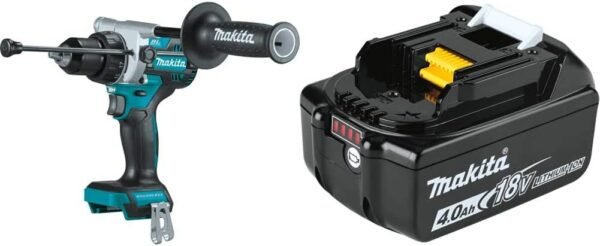
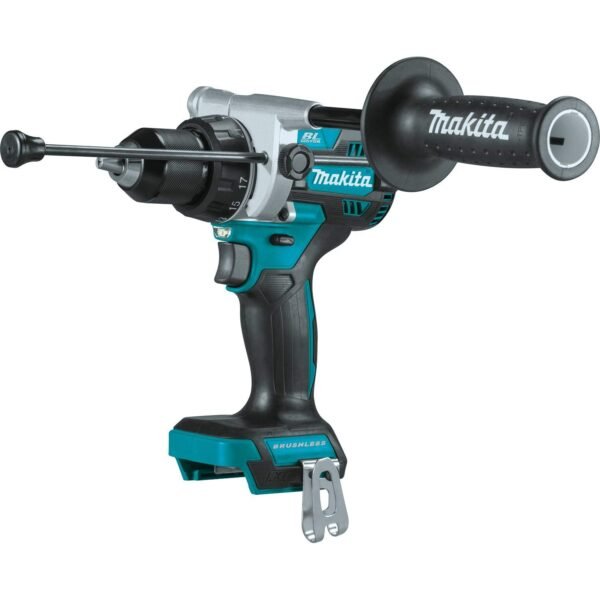
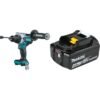
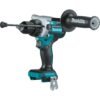
The Makita XPH14Z 18V LXT Lithium-Ion Brushless Cordless 1/2″ Hammer Driver-Drill with BL1840B battery is specified for power and versatility in a small package. The 1,250 in.lbs. of max torque is the standout figure, placing it among the more robust cordless hammer drills in its class. Its compact design, just 7 inches long, is what makes it easier to work with than bulkier tools in the same category. A 2-speed transmission with settings at 0-550 and 0-2,100 RPM covers both delicate fastening jobs and heavy-duty hammer drilling without a gear change becoming a chore.
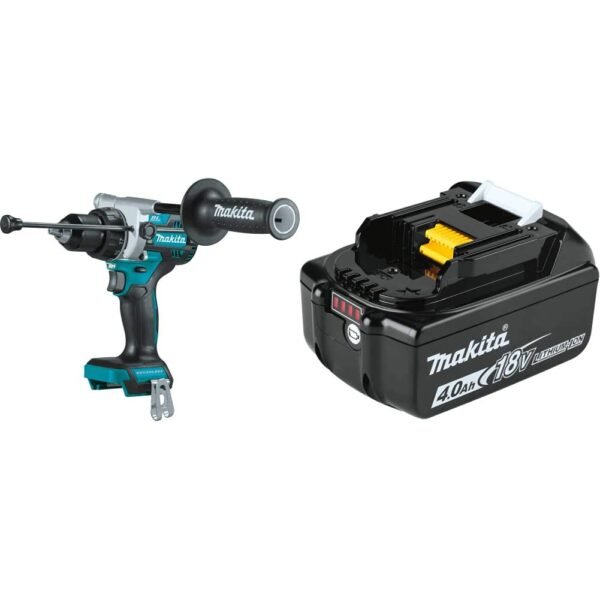
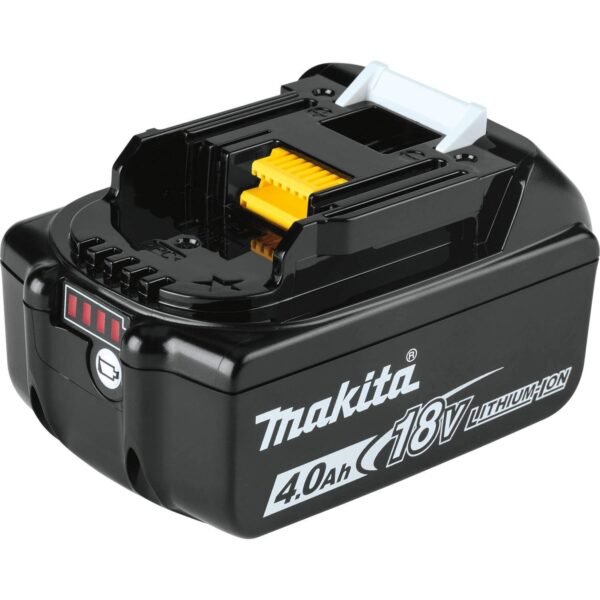
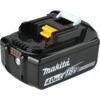
The brushless motor not only extends the tool’s life but also improves efficiency, delivering more work per charge. The integrated L.E.D. battery charge indicator takes the guesswork out of remaining power. The listing pairs the tool with an 18V LXT Lithium-Ion 4.0Ah battery BL1840B, credited with about 35% more runtime per charge than older packs; note that the same listing elsewhere describes the drill as a bare tool for buyers who already own Makita batteries, so confirm whether a battery is actually included before ordering.
Good Aspects That Make It Worth Considering
- Compact and ergonomic design reduces fatigue during prolonged use, making it easier to handle in tight spaces or overhead.
- Impressive torque rating allows tackling tough materials like concrete and metal without a hitch.
- Fast charging battery provides quick turnaround times, minimizing downtime.
- Brushless motor technology offers improved efficiency and durability.
- Versatile 2-speed gearbox covers a wide range of applications from light drilling to hammer drilling.
Downsides That Deserve Attention
- The all-metal 1/2” self-ratcheting chuck, while sturdy, is reported as stiff when bits are swapped in a hurry; it could benefit from smoother action.
- For some users, the weight might feel slightly heavier than competing models, especially during extended hammer drilling, leading to quicker arm fatigue.
- The price point leans toward the higher side for casual users who don’t require heavy-duty performance regularly.
- The lack of a belt clip or holster option makes carrying it around a site less convenient than it should be.
Performance and Usability in Real-World Tasks
On everyday projects, this hammer driver-drill is aimed at masonry, drywall, and wood. The 0-31,500 BPM hammer function is what speeds up drilling through concrete blocks, and it is the reason the tool can stand in for a light rotary hammer; sustained breaking, on the other hand, calls for a dedicated machine such as the Makita HM0870C demolition hammer. For fastening tasks, the soft rubberized grip provides control and comfort during repetitive screw driving. The L.E.D. lights are placed to brighten the work rather than the wall, which matters in dim corners and poorly lit basements.
Feedback from electrical trades points to the tool’s balance and power delivery as the reason it suits installation work. The Star Protection Computer Controls™ monitor battery and tool health, preventing overheating during intensive use, which is the kind of safeguard professionals value on tools that get pushed hard every day.
Competitive Options and How It Stands Out
Set against popular DeWalt and Milwaukee models, this hammer driver-drill holds its ground with longer runtime and a slightly more compact body. DeWalt’s models tend to be lighter but sometimes compromise on torque, while Milwaukee offers similar power in a bulkier design. Within Makita’s own range the Makita XPH12Z brushless hammer drill is the closest comparison for anyone weighing the two generations. The Star Protection technology is a genuine differentiator, since few competing cordless drills manage battery and tool health this closely.
However, buyers who prioritize ultra-lightweight tools or need an integrated belt clip may find competitors edge this model out. The fast charging battery and reliable brushless motor remain significant advantages, especially for anyone who values uninterrupted work cycles and durability.
Exploring All Features and Settings
Beyond the basics, this hammer driver-drill includes a built-in battery charge level indicator, which is genuinely useful for planning a work session around the packs on hand. The 2-speed transmission is intuitive, with a clear switch for quick toggling between drilling and fastening modes. The all-metal chuck grips bits firmly and prevents slippage on demanding jobs, at the cost of a little more effort during rapid bit changes.
Across hardwood, metal, and masonry, the speed settings (up to 2,100 RPM) paired with the 31,500 BPM hammer action are what deliver consistent results, and the rubberized soft grip is the detail that reduces hand strain over long sessions. Comparable tools sit side by side across the brushless hammer drill reviews for anyone shopping across brands.
Value Assessment: Is It Worth the Investment?
Considering the tool’s features and build quality, the price is defensible for professionals and serious DIYers who need reliability and power. The quick charge time of about 40 minutes means less waiting than many other cordless drills in this range. For anyone using a cordless hammer drill regularly, the combination of torque, battery life, and durability offers solid bang for the buck.
Casual users can find cheaper alternatives, though they often lack the punch or battery efficiency of this model; where cordless freedom is not essential, a corded machine such as the Makita HP2050 corded hammer drill buys more power per dollar. The value proposition becomes clear when you factor in the advanced motor technology and protective electronics that extend the tool’s life and performance.
User Experience Insights from Owners and Trades
Home renovation buyers consistently praise the ease of use and compact size, particularly in tight corners around cabinets and shelves. Site feedback highlights how the robust build and battery longevity pay off where access to power outlets is limited. The recurring criticism is weight: several reports describe it as heavier than the drills owners were used to, which is worth considering for regular overhead or awkward-angle work. Trades who spend the day breaking rather than drilling reach for something like the Makita HM1307CB 14 AMP demolition hammer instead.
Areas for Improvement and Suggestions
The tool would benefit from a smoother chuck mechanism to speed up bit changes, especially for users swapping bits frequently during complex projects. Adding a belt clip or holster option would also improve portability on busy worksites. Trimming the weight without compromising durability would answer the most common complaint.
Battery compatibility is excellent within the Makita 18V LXT system, but expanding the range of compatible batteries, or making the battery inclusion unambiguous, would help first-time buyers who do not already own Makita packs.
In summary, this hammer driver-drill impresses with power, efficiency, and thoughtful features, though a few tweaks could elevate the user experience even further.


