
Description
Highlights of the Bosch SDS-Max Demolition Hammer 11321EVS
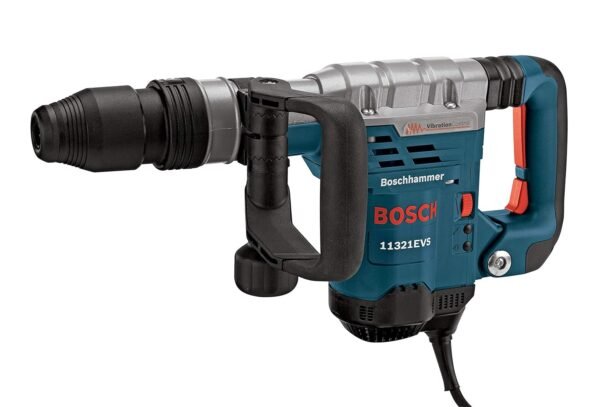
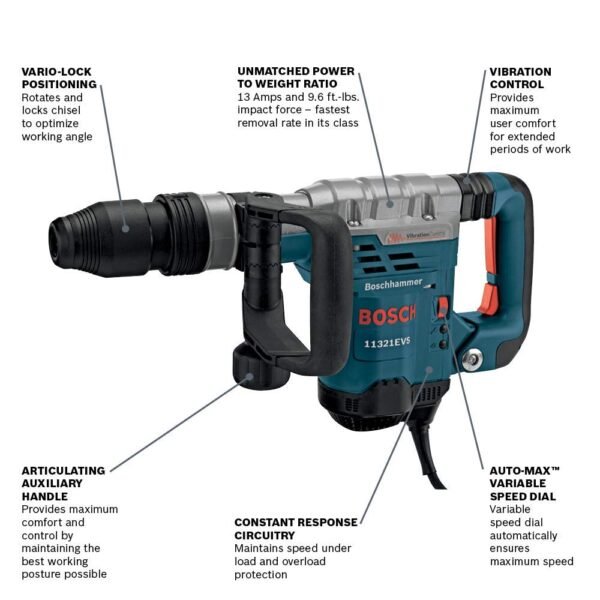
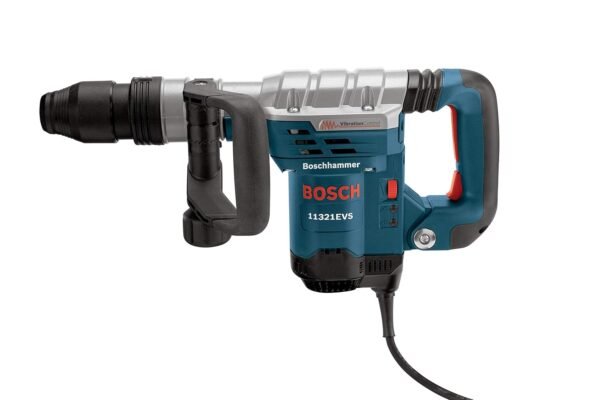
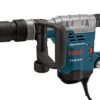
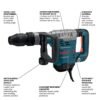
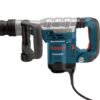
The Bosch SDS-Max Demolition Hammer 11321EVS is sold on its outstanding power-to-weight ratio and its versatility, and the figures back the pitch. At 13.7 pounds it produces about 9.6 foot-pounds of impact energy and up to 2,900 blows per minute. The variable speed dial is the control that makes those numbers usable, setting hammer intensity to the task at hand, from light chipping through to heavy demolition. A built-in soft start smooths the first second of running and stops the sudden jerk that catches operators out on repeat starts. The vibration control system in the handle then does the work of cutting fatigue, which is what keeps concrete and masonry sessions from becoming punishing.
Beyond raw output, the hammer carries a 12-position variable lock tool holder, so the chisel or bit can be locked at whichever angle the job needs. That is the feature that makes tight or awkward spaces workable without giving up accuracy. The softgrip D-handle is the other ergonomic win, offering firm control without loading the hands. The design decisions read as deliberate throughout, which is what buyers expect at professional grade.
Drawbacks to Consider
For all its advantages, a few limitations deserve attention before anyone commits. The weight, while reasonable for its power, is still more than operators new to heavy tools will want to hold through a full afternoon, and arm fatigue builds. The corded electric design means you are tethered to an outlet, which is inconvenient on sites without close power or when long extension cords have to be dragged around.
The noise level is another factor, loud enough that ear protection is required rather than suggested, which is no surprise in this class. There is also the matter of price, which will stretch casual users and DIYers even though it lines up with the tool’s quality and features. The carrying case is handy, yet it is bulky and not the most compact thing to transport.
Performance and Feature Insights
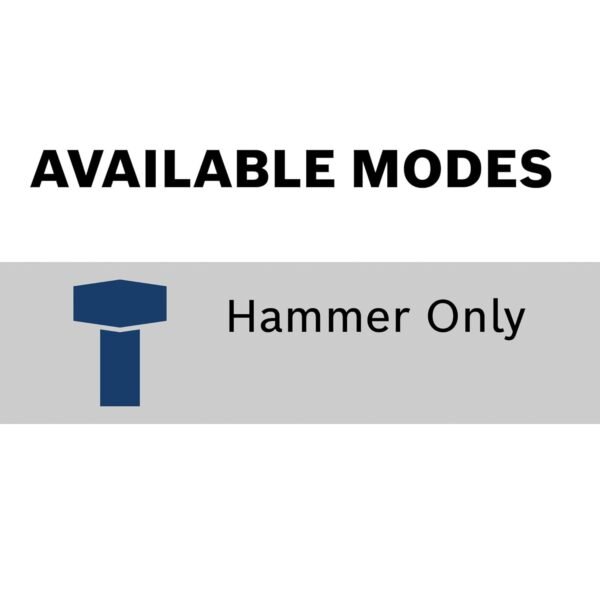
Across materials, the multi-use capabilities are what stand out. This hammer is built for breaking up concrete, tiles and blocks, and the hammer-only mode covers demolition and chipping without any rotary action to manage. The constant response circuitry is the important part of the spec: it holds speed steady under heavy load and avoids the slowdown that makes lesser tools frustrating. Overload protection guards the motor through the kind of jobs that burn out cheaper machines.
The Auto Max speed dial is a less common feature at this level. It adjusts maximum speed to suit the application, which removes the mid-task fiddling with settings that slows a job down. Combined with the tool’s smooth startup control, it makes the opening moments of a cut more predictable, and precision at the start is usually what decides the finish.
Ergonomics and Usability
The vibration reduction technology works in both the hammer mechanism and the grip area, and that pairing is what owners credit for comfort across longer sessions. The D-handle with Softgrip supports a firm hold without forcing a tight grip, which is how hand fatigue is kept in check. The 12-position lock adds flexibility in how the tool is set, so chiseling at odd angles stops being a wrestling match, much as it does on the Bosch RH328VCQ rotary hammer.
Overall build quality reads as robust and durable, the standard for daily professional use. The tool length of about 22.5 inches does make maneuvering in tight spaces tricky, particularly overhead or on angled work. Solid construction and balanced weight distribution offset some of that, though the dimension is worth measuring against the spaces you actually work in.
Peer Products and Market Rivals
Lined up against popular competitors like the Makita HM1810 or the DeWalt D25901, a few differences stand out. The Bosch leads with higher impact energy and adjustable speed settings, which many rivals either lack or offer in a cut-down form. Its vibration control system is also the more developed one, which is what makes it friendlier over extended use.
On the other side, some competitors sell lighter models better suited to less intensive tasks or operators with less upper body strength. DeWalt in particular tends to offer better cord management options and more compact bodies, both useful on crowded sites. Bosch answers with overload protection and constant response circuitry for a reliability edge, and within its own range the RH540M SDS-max combination hammer is the option for anyone who needs drilling as well as breaking. Overall this is a strong contender wherever power and durability rank first.
Worth Every Penny? Value Assessment
The value proposition of this demolition hammer lines up with its feature set and performance. The initial outlay is higher than budget options, and the robust motor, versatile speed control, and user-friendly ergonomic features justify the price for anyone using it regularly. Including a carrying case and auxiliary handle rounds out the package and makes transport and setup less of a chore.
Cheaper models among comparable SDS-Max hammers in the same category tend to struggle with consistent power or skip vibration control, which shows up as faster fatigue and slower demolition. This Bosch answers with a combination of power, precision, and comfort that suits professionals and serious DIYers who need efficiency and reliability on the job. It is not the cheapest hammer available, but its durability and advanced features deliver a smart spending decision in the long run.
Benefits of Using the Bosch Demolition Hammer
- Exceptional power-to-weight ratio for efficient demolition without excessive fatigue.
- Variable speed dial and Auto Max speed feature provide tailored control for various tasks.
- Advanced vibration control system reduces strain during extended use.
- Robust build quality and ergonomic design ensure comfort and durability.
Drawbacks to Keep in Mind
- Relatively heavy at 13.7 pounds, which may tire users during prolonged use.
- Dependence on corded power limits mobility on some job sites.
- Noise levels require protective gear for safe use.
- Bulky carrying case may be cumbersome to transport.
Versatility for Different Users
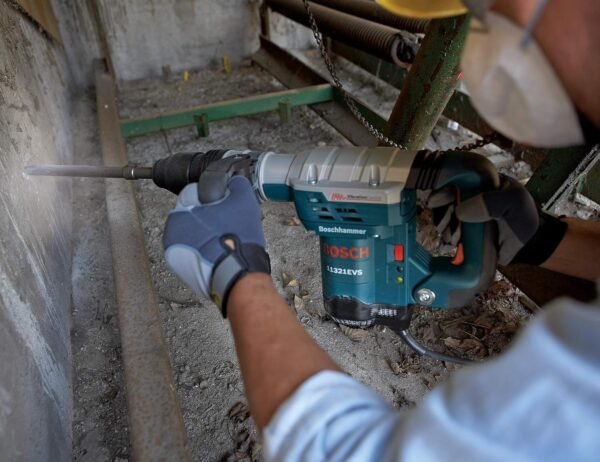
This demolition hammer suits a wide span of buyers, from professional contractors on tough renovation work to homeowners breaking up old tile floors. Owner reports favor the hammer-only mode for delicate chipping, while others point to the variable speed settings as the reason one tool covers several materials without a swap. Being able to adjust impact energy and speed is what makes it a versatile companion across job types, from concrete busting to tile removal and minor chiseling, and anyone needing more reach into heavy drilling should compare it with the Bosch RH850VC combination hammer.
Final Notes on Features
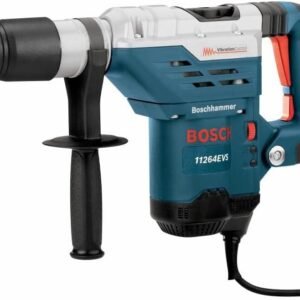
The tool ships with auxiliary handles that snap on firmly for extra leverage and control, which matters on awkward angles and heavy demolition. The 12-position variable lock rotates the bit holder to the exact angle a job calls for, a feature that is still uncommon across demolition hammers, including the larger Bosch 11264EVS rotary hammer. The soft start and smooth startup control add precision when a cut or break is being placed. Compatibility with a wide range of SDS-Max accessories extends the tool further, which is what makes it adaptable across demolition and construction work.