Description
Strong Points of the RYOBI 18V ONE+ 1 Gallon Air Compressor
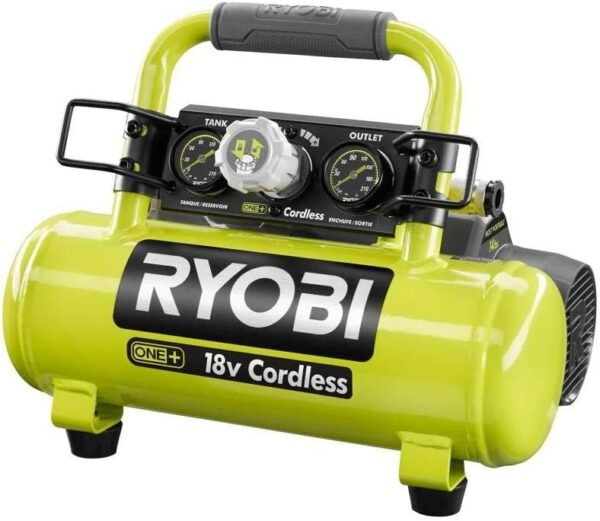
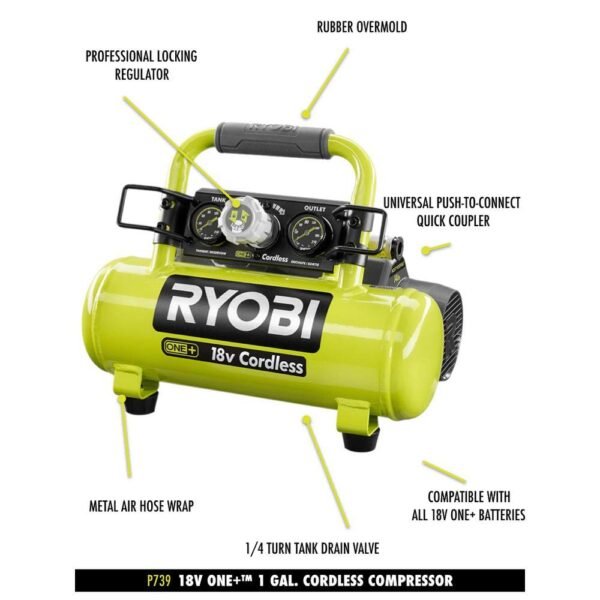
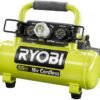
The RYOBI 18V ONE+ 1 Gallon air compressor is aimed squarely at buyers who weigh portability alongside output. The cordless design is what separates it from the rest of the category, since there is no outlet to find and no cord to route. That single design choice is what makes it usable for roadside tire inflation or quick pneumatic nailer jobs. The locking regulator is the other notable inclusion. It holds pressure at the set point rather than drifting, which is what keeps finish work consistent and tires at the number you asked for. The 1-gallon tank strikes a practical balance, compact enough to carry yet large enough for most home and light professional tasks.
- Cordless operation offers excellent mobility and convenience.
- The pressure stays consistent thanks to the professional locking regulator.
- Compact size with a 1-gallon tank makes it easy to store and transport.
Drawbacks to Keep in Mind
Although the specification is strong in several areas, a few points fall short of ideal. The battery and charger are sold separately, which catches out anyone expecting a ready-to-go package. At 18 volts, this unit is not built to replace a heavy-duty compressor; it is scoped for small tasks and quick fixes rather than continuous or industrial use. The 15-foot hose is a reasonable length but comes up short on larger vehicles or on jobs that need more reach from a fixed position. Additionally, the compressor weighs 14 pounds, which is manageable but not light enough to carry all day without noticing. Corded units such as the DEWALT DWFP55126 pancake compressor answer the sustained-output side of that trade.
- Battery and charger not included, meaning additional upfront investment.
- Limited power output compared to larger compressors, so it is best kept to light-duty tasks.
- Hose length may restrict reach in some scenarios.
- Weighs 14 pounds, which could be cumbersome for extended portability.
Versatile Features and Settings
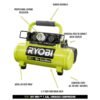
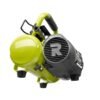
The feature list points to some sensible design choices. The locking regulator is the standout, since a set PSI (up to 120 max) stays put without constant monitoring. The cordless power source removes the cord entirely, which is what suits it to roadside use or finishing nail work in the backyard. Compatibility with the RYOBI ONE+ system is the strategic advantage, because the same packs run drills and saws, so a battery already in the kit is one less purchase. The green color and compact 13.5″ x 11.5″ x 10″ dimensions make it easy to spot and easy to store. The trade for cordless operation is fill time: an 18V pack drives the pump more slowly than a mains motor, so reaching maximum pressure takes longer than on a plug-in model.
Usability and Portability in Everyday Scenarios
Away from the workshop, this is the kind of compressor that gets used because it is easy to deploy. Topping up car tires in a driveway needs no extension cord, which is the whole point of the cordless format. The one-gallon tank and 120 PSI ceiling also cover a pneumatic finish nailer for deck or trim repairs, provided the work is intermittent rather than continuous. The 15-foot hose is generally sufficient for car tires and small inflations but is limiting on spread-out jobs such as fence building. Carrying it for longer stretches is workable rather than effortless given the 14-pound weight. Even so, it is a clear step up from a traditional bulky compressor for casual or emergency use.
Comparative Look at Competing Brands
Set against competitors such as the DEWALT DCC020IB inflator and the Makita MAC2400, the trade-offs are clear. The DEWALT is rated for higher pressure and quicker inflation, though at a higher price and with a battery platform that fewer buyers already own. The Makita model is the durable, industrial-strength option but gives up portability and cordless convenience. This RYOBI unit leads on battery platform versatility and cordless convenience, which makes it the obvious pick for anyone already invested in the RYOBI ONE+ ecosystem. Buyers who put raw output first should look at heavier corded compressors, or at a cordless unit with a bigger platform behind it such as the DEWALT DCC2520B 20V MAX compressor. The Makita MAC210Q Quiet Series is the closer corded comparison on size.
Financial Value and Investment Considerations
On the price to quality ratio, this air compressor represents solid value for anyone who already owns RYOBI ONE+ batteries. The missing battery and charger add real cost when starting from scratch, but sharing packs across several tools recovers that over time. For a budget-friendly, portable compressor handling light inflation and pneumatic tool work, the maths works. Its 3-year warranty is longer than many rivals in the price bracket and adds some confidence in the build. That said, anyone who needs serious air supply on a regular basis will get more capacity per dollar from a larger corded model.
Design and Build: Balancing Portability with Functionality
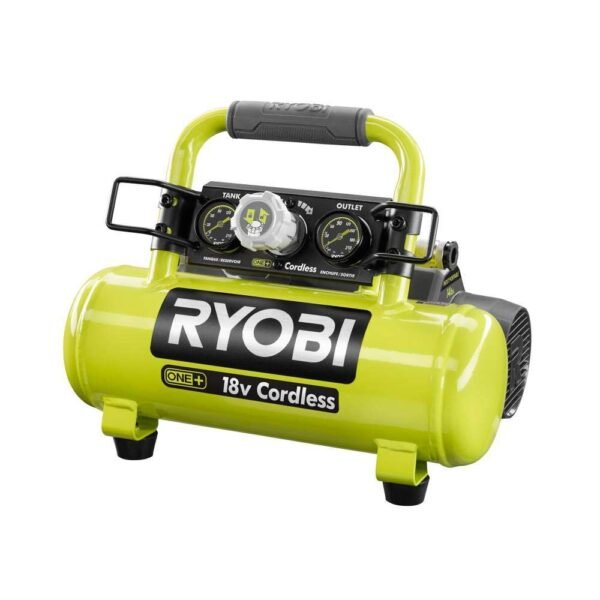
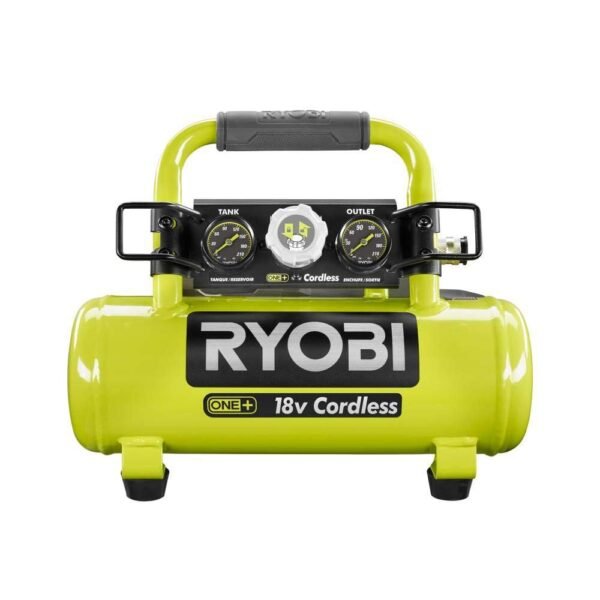
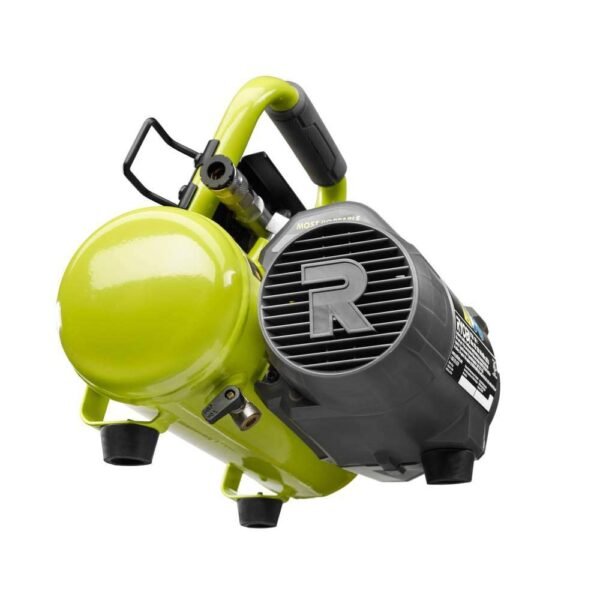
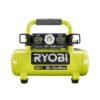
The design reads as well considered, blending compactness with a sturdy shell. The green casing is standard RYOBI and holds up to the knocks a portable tool collects. The 1-gallon tank is small but adequate for tire inflation and intermittent nailing. The built-in handle is the right call for a unit of this weight, though 14 pounds still tells on longer hauls. Controls are straightforward, with an easily adjusted locking regulator dial and a clear pressure gauge. The noise level is moderate rather than intrusive, which helps for neighbourhood use, but this is not a quiet-series compressor.
Suitability for Different Users and Applications
This compact air compressor fits the kit of DIY enthusiasts, homeowners, and light contractors who need quick inflation or cordless pneumatic tool power without hauling heavy gear. It is especially advantageous for anyone already embedded in the RYOBI ONE+ battery ecosystem, where the seamless integration means one charger covers the whole shelf. Households that occasionally need bike tires or small inflatables topped up will find it practical. Professionals relying on continuous or heavy-duty air supply will find it short on sustained power and tank capacity. Overall it suits anyone valuing mobility, ease of use, and moderate performance over raw output.
Judged on its specification, the RYOBI 18V ONE+ 1 Gallon air compressor is a focused, light-duty tool. Its cordless freedom, consistent pressure control, and compact design are the real strengths, while the separate battery purchase, moderate output, and hose length are the limits to plan around. More alternatives in the same size class are listed in our portable air compressors section. Depending on your needs and existing tool ecosystem, it lands as either a useful primary unit or a convenient backup for quick jobs.