Description
Highlights of the Demolition Power and Design
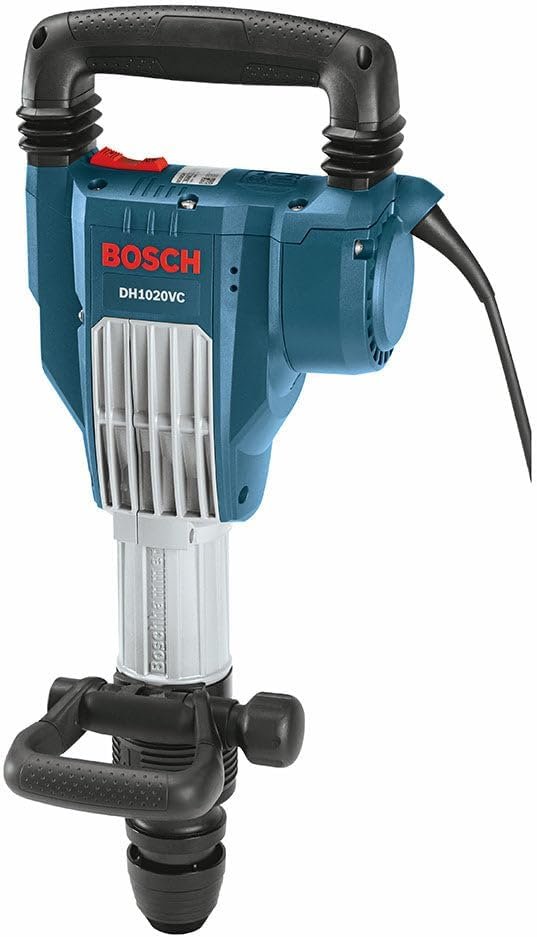
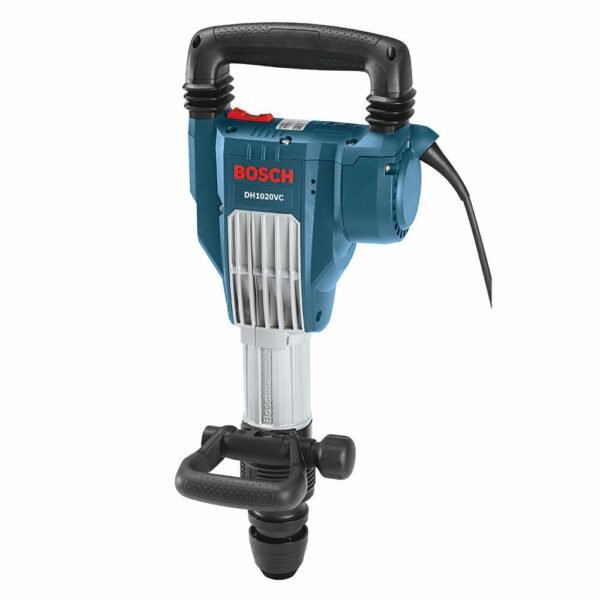
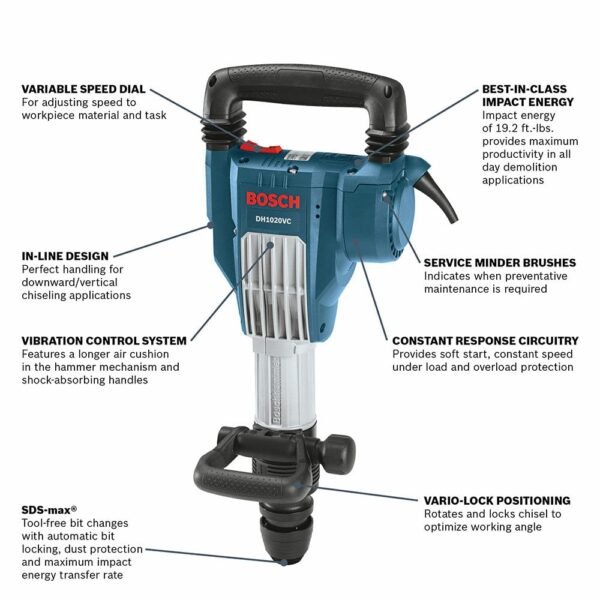
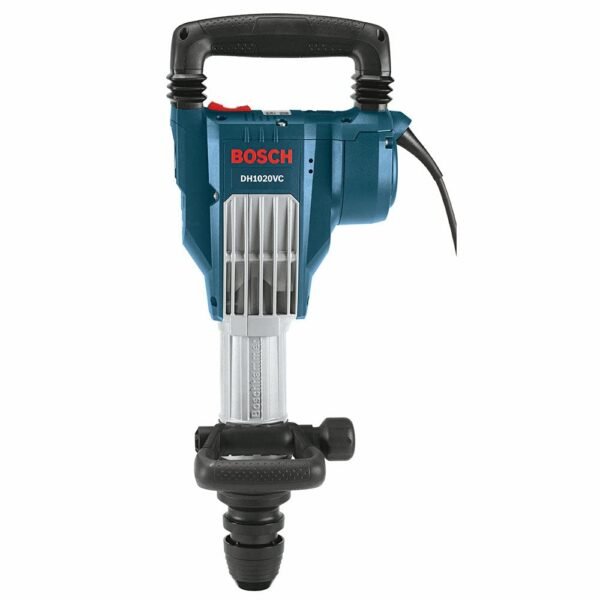
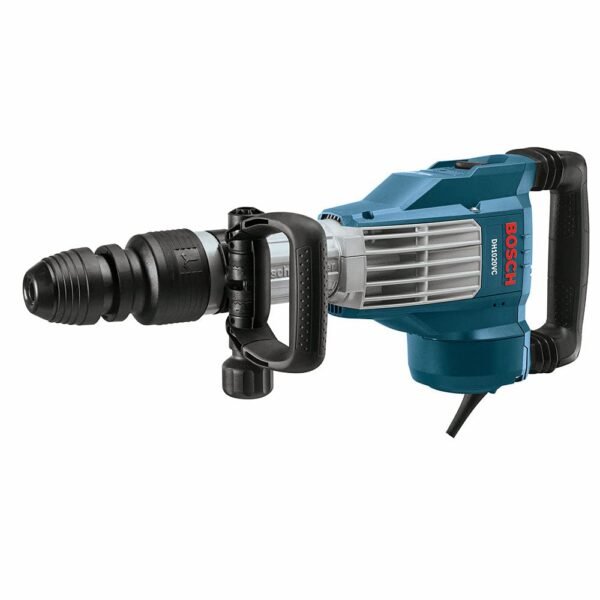
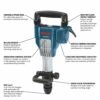
The BOSCH DH1020VC Inline 15 Amp SDS-Max Demolition Hammer makes its case through layout as much as output. Its inline design is the distinguishing feature, keeping the tool workable for both horizontal and vertical concrete demolition tasks. Balance is the point of that shape, since the substantial weight of 25.1 pounds sits along the line of the blow rather than off to one side. Bosch markets the tool on best-in-class impact energy, quoting a full 17 ft.-lbs of impact, and pairs that figure with a claimed 80-percent higher chiseling removal rate against many competitors, which is the number owners point to when clearing stubborn concrete slabs. The variable-speed dial then hands back precise control over that force, dialing the hammering intensity to the task. That control is what makes the tool usable on delicate surfaces where full power would do damage.
Vibration Control That Makes a Difference
Demolition hammers are usually a study in vibration, and the hands and arms pay for it. This model answers with vibration control technology built around a longer air cushion in the hammer mechanism. Buyer feedback consistently marks the reduction as noticeable, which is what makes prolonged use less punishing than the class average. Operators who normally complain of hand fatigue are the ones who single it out after heavy breaking sessions, and the same technology appears on Bosch’s larger BH2770VCD Brute Turbo breaker hammer. The benefit is not only comfort: less vibration means steadier work and better output across a demanding day.
Versatile Chiseling with Vario-Lock Positions
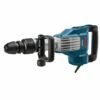
Among the most practical features is the Vario-Lock system, which rotates the chisel and locks it into 12 different positions. That flexibility changes how working angles get set, particularly in tight or awkward spaces. With the SDS-Max clay spade bit fitted, the tool can be turned to meet the material instead of the operator repositioning body or workpiece. Fine-tuning the angle means less strain and better efficiency, which counts on long demolition projects where the same movement repeats for hours.
Handling and Build Quality
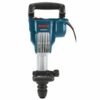
The blue titanium finish over robust plastic and metal gives the hammer a rugged, professional look. Despite its 30.6 inches length and wide frame, the body feels sturdy and built to last. The single-handle design looks limiting at first, though the grip is comfortable and the control it offers is better than the layout suggests. Owners report less wobble than they expect from tools of this size, which translates into more accurate chiseling, and buyers who want a rotary option in the same weight class often cross-shop the Bosch RH745 SDS-max rotary hammer. Corded electric power keeps energy delivery constant, avoiding the power dips that come with battery tools late in a pack.
Price Worthiness and Value Assessment
Weighed against features and performance, the demolition hammer offers good value for money. It stands out in the mid-range on power and durability, which makes it a sound purchase for professionals and serious DIYers. The weight will be a challenge for anyone who prefers lighter tools, and that is the trade for the high impact energy and vibration control on offer. Compared with the rest of the hammer drills and breakers listed here, this model earns its price by combining robust performance with usable extras such as variable speed control and Vario-Lock.
Disadvantages to Consider
For all its strengths, the hammer carries real downsides. Its weight, over 25 pounds, is cumbersome on extended use or for operators with less upper body strength. The single-handle design will not suit everyone, especially those who prefer dual-handle models for extra stability, and a light chipping job may be better served by a smaller unit like the Bosch GBH2-28L rotary hammer. The length and bulk make maneuvering in very tight spaces tricky. Corded operation ties the work to an outlet, limiting portability next to battery-powered alternatives. Finally, nothing beyond the clay spade is included, so additional bits are a separate purchase that adds to the total cost.
Comparing to Popular Competitors
Set side by side with competitors like the Makita HM1317CB or the DeWalt D25980K, some contrasts emerge. The Bosch clearly leads on impact energy and vibration control, which is what makes it suited to heavy-duty demolition. Competitors often go lighter, easier to hold for long stretches but giving up power and removal rate in the exchange. The Makita offers excellent durability yet falls short on adjustable chisel angles, exactly where the Bosch Vario-Lock answers. DeWalt fits dual handles for better balance but does not match the Bosch chiseling removal rate, while inside Bosch’s own range the 11335K jack hammer steps up for slab and ground work. If raw power and reduced vibration in a corded tool are the priorities, this hammer is a strong contender, though it will not satisfy buyers who need extreme portability or lower weight.
Positive Features Summarized
- Outstanding impact energy delivers superior concrete breaking power.
- Vibration control significantly reduces user fatigue.
- Vario-Lock system allows for precise chisel positioning.
- Variable speed dial provides adaptable performance for various tasks.
Areas for Improvement
- The tool’s weight can be tiring during prolonged use.
- Single-handle design might reduce stability for some users.
- Bulkiness limits maneuverability in confined spaces.
- Corded operation restricts mobility compared to cordless options.