Description
Highlights of the Makita HR2475 Rotary Hammer
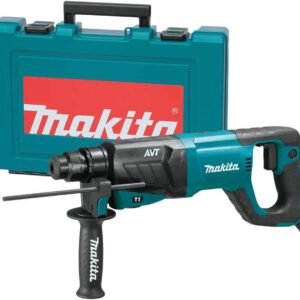
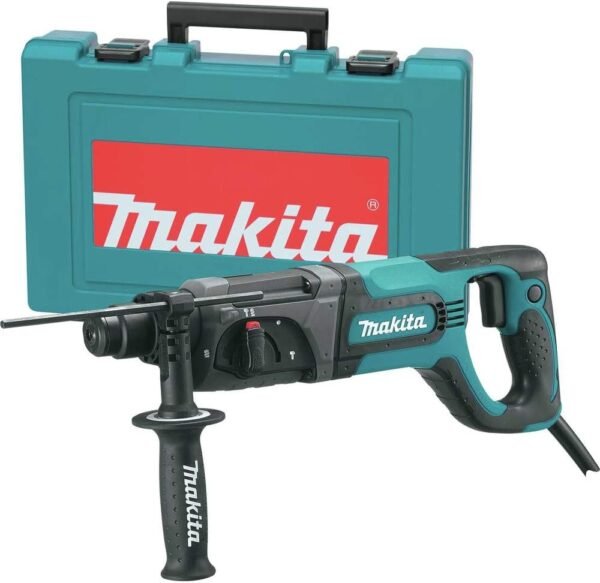
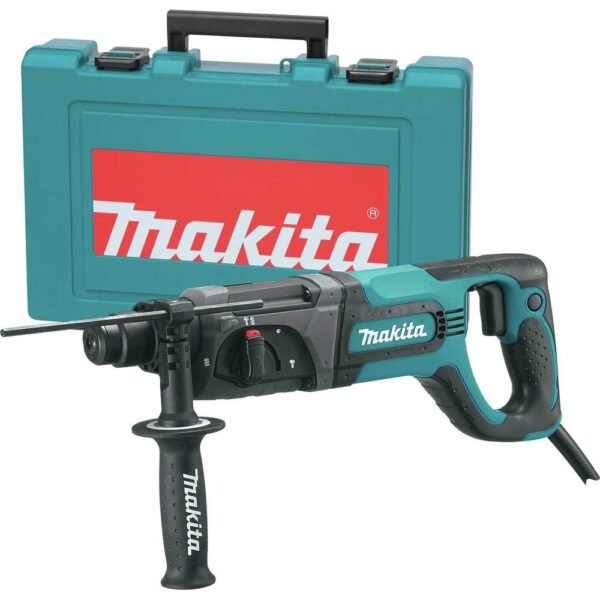
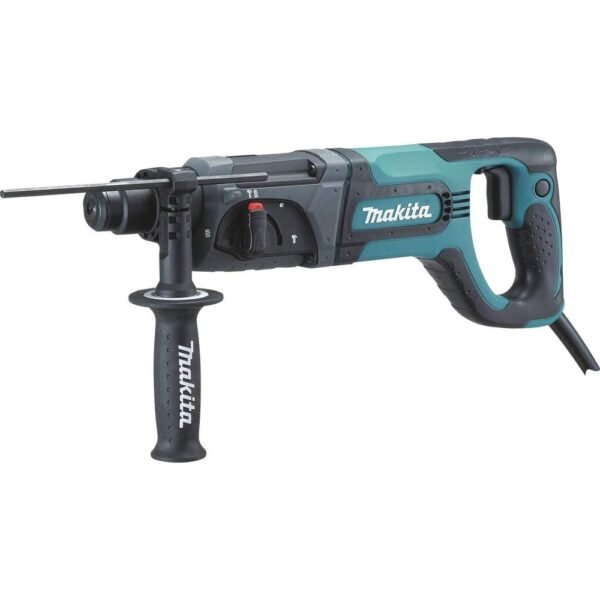
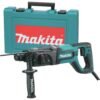
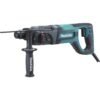
The Makita HR2475 1″ Rotary Hammer, accepts SDS-PLUS bits (D-handle) Tool Only is a straightforward proposition on paper. It carries a powerful 7 AMP motor rated at 4,500 BPM with a no-load speed range of 0-1,100 rpm. Energy transfer is handled by Makita engineering that includes field core interlocking steel laminations and a dual ball bearing armature, both aimed at tool life and efficiency rather than headline numbers. The three-mode operation, covering “Rotation Only”, “Hammering with Rotation” and “Hammering Only”, is what makes it usable across drilling and chiseling tasks. Mode selection is simple, and the one-touch sliding chuck is designed for bit changes with gloves on.
Key perks that owners and the spec sheet agree on:
- Consistent power output with minimal slowdown under load.
- Comfortable to hold with its rubberized D-handle and soft grip side handle.
- The torque limiting clutch is there to stop gear damage when a bit binds on a tough job.
- 40 different chisel angle settings provide great flexibility for detailed work.
- The large trigger switch allows for easy speed control, which is essential when precision matters.
Limitations to Keep in Mind
No tool is without quirks, and this rotary hammer has a few. The weight, listed at around 10.7 pounds, is a lot to hold up for prolonged overhead work, and arm fatigue arrives sooner than the size of the tool suggests, especially in harder concrete. The variable speed trigger is a welcome addition, though buyer feedback describes its modulation as less smooth than competing models. The other limitation is structural: there is no battery or power source included, since this is a corded electric tool, so an outlet or an extension cord is part of every job.
Drawbacks that come up repeatedly:
- Heavier than some other rotary hammers in its class.
- Variable speed trigger could be more refined for better control.
- Corded design limits portability on job sites without easy access to power.
- The tool’s size makes it less ideal for very tight spaces.
Comfort and Ergonomics
The layout of this rotary hammer reflects Makita’s focus on operator comfort. The ergonomic, well-balanced design is paired with a rubberized grip intended to cut vibration transfer to the hands. The D-handle shape sits naturally in the palm, which supports solid control and lower fatigue over a shift. The soft grip side handle adjusts and locks in place for extra leverage on stubborn drilling. Buyers moving up from bulkier corded hammers such as the Makita HR4002 10 AMP rotary hammer describe this one as sturdy but noticeably easier to steer.
Performance Across Applications
Versatility is the point of the three modes. The hammering with rotation mode is the setting for concrete and brick, where the listed impact rate does the work. The hammering only mode suits light chipping such as tile or mortar removal. Drilling metal in rotation only mode runs smoothly, with the motor holding speed rather than bogging down. The torque limiting clutch engages when a bit jams, protecting the gears and making recovery less of an ordeal. Across SDS-Plus bits, the quick bit change system is the feature that keeps the pace up on site, much as it does on the Makita HR2811F 7 AMP rotary hammer.
Price Worthiness
The asking price looks reasonable against the feature set and the build. Within the wider run of rotary hammers in this category, it balances power, durability, and ergonomic design without moving into premium territory. It is not the cheapest option available, but the efficient motor, long-lasting brushes, and protection features such as the torque clutch point to a tool built for repeated use. For a professional or a serious DIYer, the value proposition is solid, particularly for anyone who needs a dependable hammer drill with multiple operating modes rather than a single trick.
Product Comparisons
The Makita HR2475 stacks up well against popular rotary hammers like the Bosch RH328VC and DeWalt D25263K. The Bosch has a slightly more refined vibration control system, while the Makita answers with its torque limiting clutch and sequential impact timing, which Makita credits with drilling up to 50% faster. Against the DeWalt, this model feels more robust in build but pays for it in weight, and DeWalt’s cordless flexibility beats the corded design for portability even though mains power never fades. Inside Makita’s own range, the HR2641 with anti-vibration technology is the natural step up for anyone whose main complaint is buzz through the handles. Overall this hammer leads on power delivery and durability and loses ground only where light weight or cordless running is the priority.
Versatility and User Experience
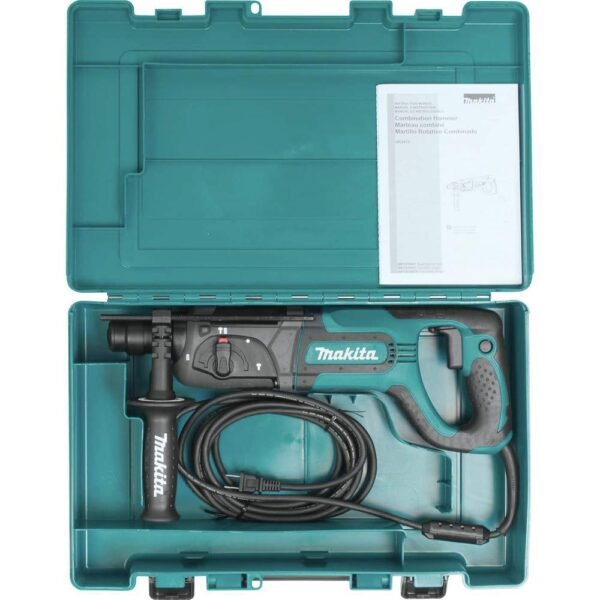
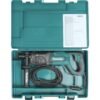
The 40-position chisel adjustment is the feature that turns out to matter more than its modest description suggests. Lining the bit up exactly for demolition or precision chiseling is a small detail with a large effect on the finished work. The lock-on button for continuous running is another practical touch on long jobs. The included tool case keeps the kit organized, though the box is light on extra accessories out of the gate. Reports from first-time buyers suggest the tool is approachable enough for small home projects, which is unusual for a hammer aimed at the trade.
Negative Attributes
Every tool has areas that could improve. The weight and size make it less nimble in tight corners or on overhead drilling. The cord limits mobility, which becomes a problem on larger sites without convenient power. The variable speed control, useful as it is, reads as jerky on delicate tasks according to owner feedback. The price point will also put off casual users who do not need the full power and mode range of a hammer like this, and a lighter chipping tool such as the Makita HM1203C demolition hammer serves a different job entirely.
Key negative points include:
- Heavier and bulkier than some competitors.
- Corded design reduces portability.
- Variable speed trigger could use smoother modulation.
- Pricier for hobbyists or infrequent users.
Overall, the Makita HR2475 rotary hammer combines robust power, versatile operation modes, and a considered ergonomic layout. It covers a wide spread of demanding drilling and chiseling tasks, with the torque limiting clutch and sequential impact timing as the features that separate it from cheaper hammers. The weight and the cord will rule out some applications, yet the specification reads like a reliable workhorse for professionals and serious DIYers who value consistent, efficient results.